Lessons from Building a Product-Based Business While Raising a Family
Dec 25, 2025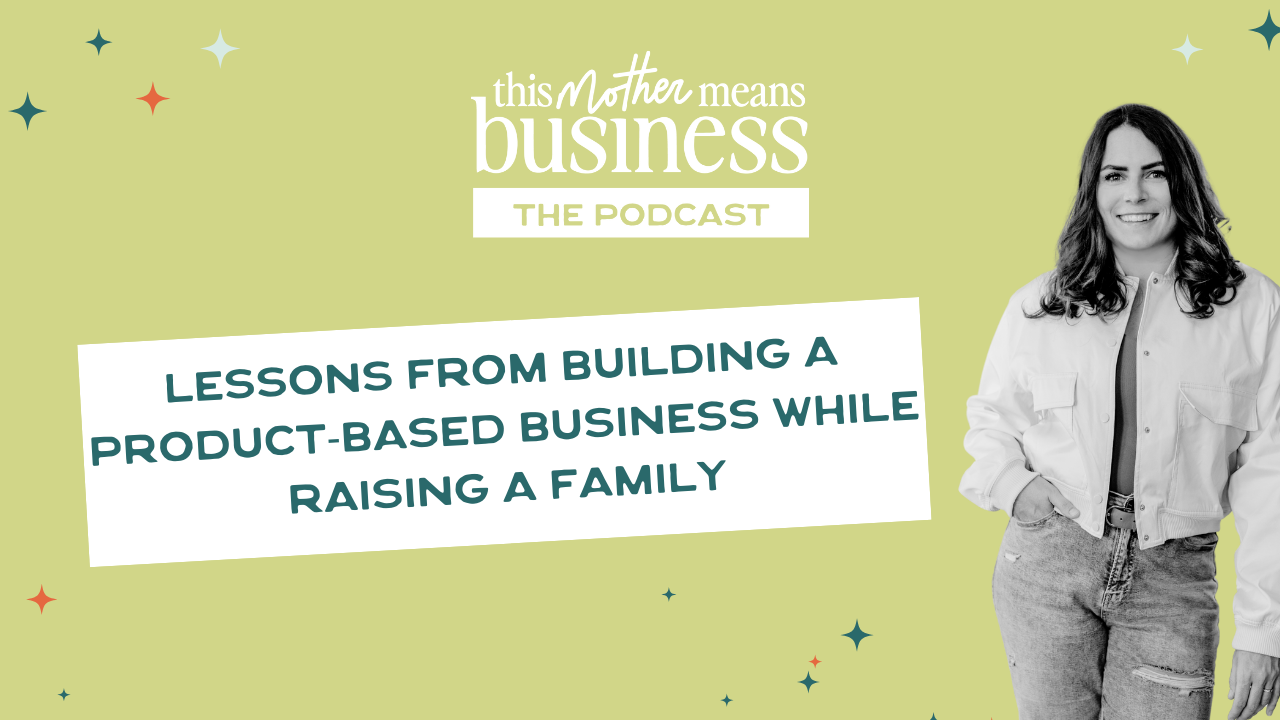
In this episode of This Mother Means Business, I sat down with Lindsay Housman, founder of Hettas, for a conversation that went far beyond running shoes. While Hettas is a beautiful example of a women-centred, science-backed product, what stood out most were the lessons Lindsay shared about entrepreneurship, risk, stability, and building something meaningful alongside real life.
This was a conversation about what it actually looks like to grow a business as a mother—without romanticizing burnout or pretending there’s only one right way to do it.
You Don’t Have to Be an Expert to Start
Lindsay didn’t come from the footwear world. Her background is in finance and technology, not shoe design or retail. And yet, she built a performance footwear brand by leaning into curiosity, learning quickly, and surrounding herself with people who did have the expertise she didn’t.
One of the biggest takeaways from our conversation was this: you don’t need to know everything to begin. In fact, a certain amount of naivety can be an advantage. If you knew every hard thing ahead of time, you might never start at all.
Being open to learning, pivoting, and evolving your original vision is often what allows a business to grow into something stronger than you initially imagined.
The Power of the “Stable Boat”
One of the most important lessons Lindsay shared was her concept of the stable boat—maintaining a steady, flexible career while building a startup on the side.
Rather than quitting her job and going all-in immediately, Lindsay built Hettas alongside her work in technology. That stability provided financial predictability, emotional safety, and space to make thoughtful decisions in a business that is inherently capital-intensive and high-risk.
This approach challenges the common narrative that you must leap before you’re ready. Especially for product-based businesses that require research, testing, manufacturing, and inventory, stability can be a strategic choice—not a lack of belief.
Transparency and Support Are Non-Negotiable
Another clear theme from our conversation was the role of support. Lindsay was open about how much transparency—with her employer, her team, and her family—made this dual-track approach possible.
Flexible work arrangements, a supportive partner, nearby family, and clear communication weren’t just “nice to have.” They were foundational. Building a business doesn’t happen in isolation, and pretending otherwise only leads to unnecessary strain.
If you’re trying to do everything quietly and alone, this episode is a powerful reminder that sustainable growth requires shared understanding and honest conversations.
Community Is a Growth Strategy, Not a Bonus
We also talked a lot about community—specifically how connection and real-world relationships can be a core part of a business model, not just a marketing add-on.
Hettas has grown by focusing on geographic communities, run clubs, and on-the-ground activations rather than trying to be everywhere at once. That approach reflects a bigger lesson: depth often matters more than scale, especially in the early stages.
Whether you’re building a product-based business or a service-based one, community isn’t something you layer on later. It’s something you build into the foundation.
There Is No One “Right” Timeline
Perhaps the most grounding takeaway from this episode is that entrepreneurship doesn’t follow a single timeline. Many founders—especially women—are building their businesses alongside full lives, caregiving responsibilities, and other careers.
Lindsay shared that most founders she knows aren’t working on their startups full-time at first. They’re experimenting, testing, learning, and growing at a pace that makes sense for their reality.
That doesn’t make the business less legitimate. It makes it more sustainable.
Building Something Your Kids Can Learn From
As a mother, Lindsay also spoke about bringing her kids into the journey in age-appropriate ways—helping them understand why she’s building Hettas, why she still works in another role, and what it looks like to pursue something meaningful without sacrificing family stability.
That visibility matters. Not because our children need to become entrepreneurs, but because they get to see that there are many ways to work, create, and contribute.
The Bigger Lesson
This episode wasn’t just about shoes or startups—it was about redefining what success can look like.
You don’t have to burn everything down to build something new. You don’t have to rush. And you don’t have to do it alone.
If you’re building a business alongside motherhood and wondering whether your pace, your choices, or your path are “right,” this conversation is your reminder: there’s more than one way to do this—and you’re allowed to choose the one that actually works for your life.
If you haven’t listened to this episode yet, I highly recommend pressing play. And as always, thank you for being part of this community—we’ll see you in the next episode.